




From international wine competitions to leading consumer publications, alcohol-free wines are gaining attention for what matters most: the quality of the wine itself.
For years, alcohol-free wine was often discussed in terms of what it lacked. Today, a different conversation is emerging. Consumers are looking for wines that offer genuine character, complexity and enjoyment, regardless of their alcohol content.
And some of the most compelling evidence comes from the wines themselves.
Recent achievements by Zeronimo, PARAGRAPH and Bergdolt-Reif & Nett, three producers working with Solos Technology, demonstrate how ambitious winemaking and advanced technology are helping raise expectations across the category.
Bergdolt-Reif & Nett: Excellence recognised by wine experts
Germany's BREAKAWAY Pinot Blanc received Grand Gold at MUNDUS VINI NON-ALCOHOLIC 2026, one of the competition's highest distinctions.
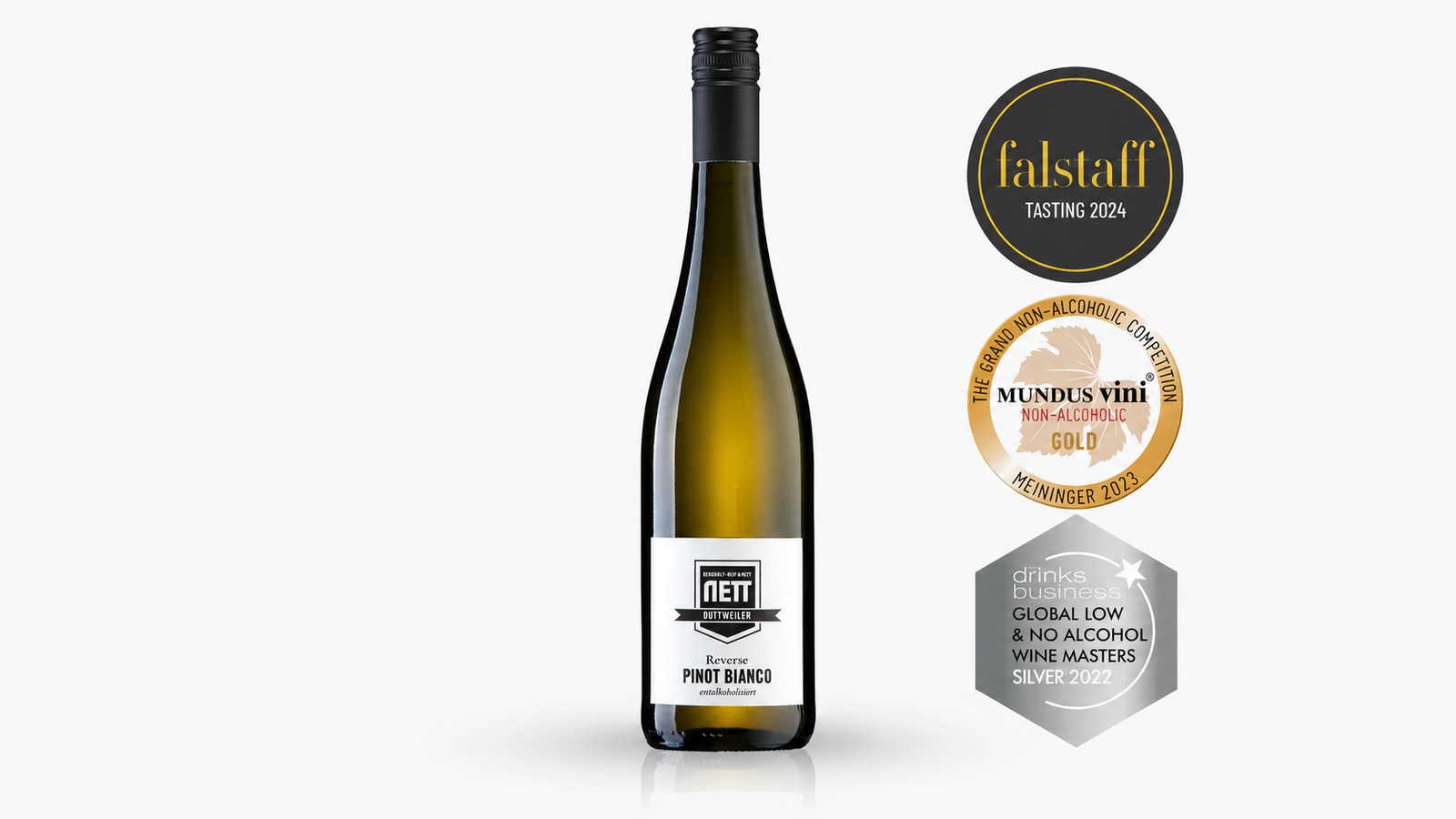
For a dealcoholized white wine, this achievement highlights the importance of maintaining aromatic expression, balance and varietal character. It also reinforces the growing credibility of alcohol-free wines within established wine evaluation frameworks.
Zeronimo: A consumer favourite in the US
Austrian producer Zeronimo was named Best Non-Alcoholic Wine in the 2026 USA TODAY 10Best Readers' Choice Awards, topping a field of international brands.
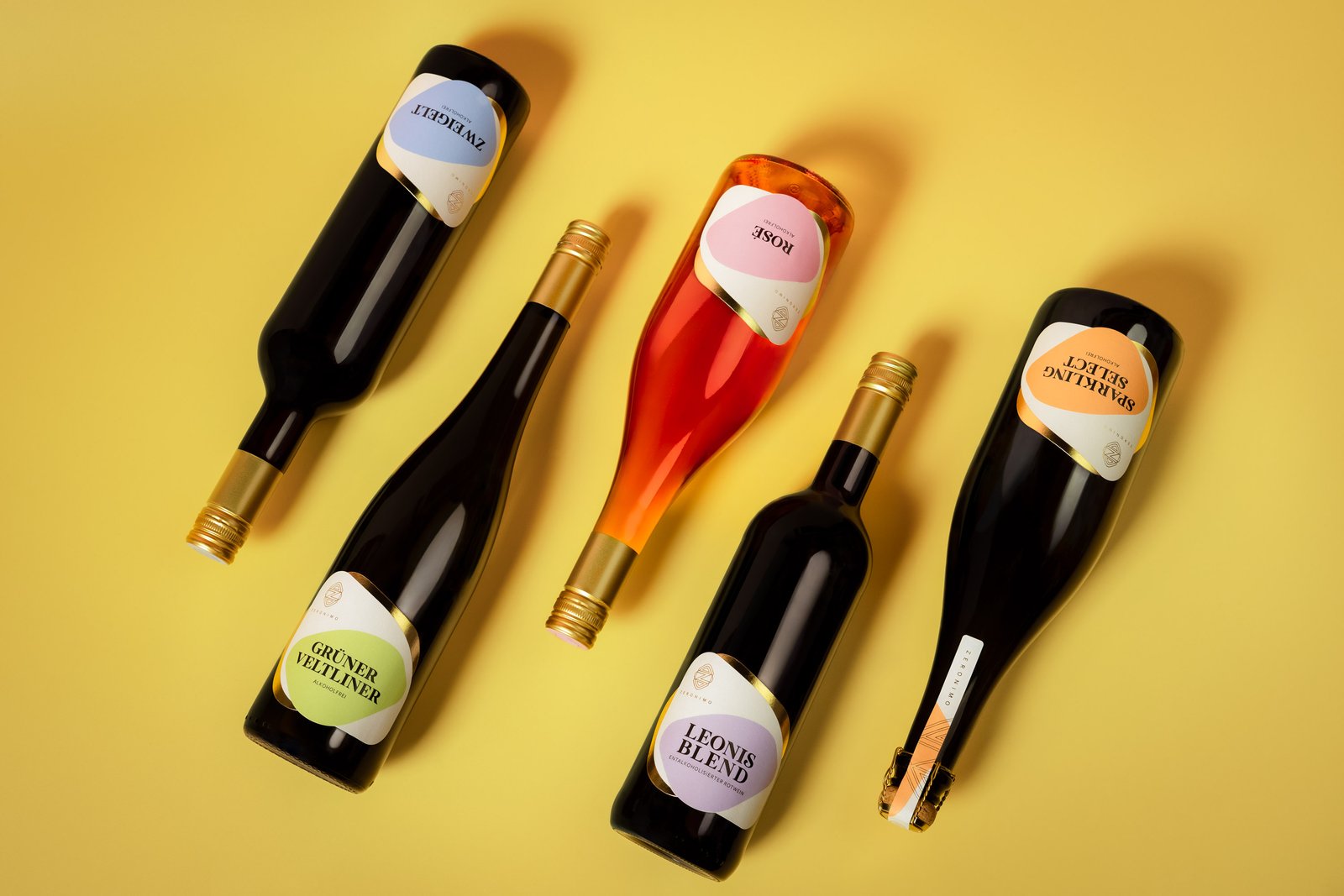
The distinction is particularly meaningful because it reflects consumer preference in a competitive market. For a premium alcohol-free wine brand, winning over drinkers is ultimately as important as impressing industry experts.
PARAGRAPH: Premium red wine earns the spotlight
PARAGRAPH Tempranillo was named Best Non-Alcoholic Wine at the 2026 Rolling Stone Spirit Awards.
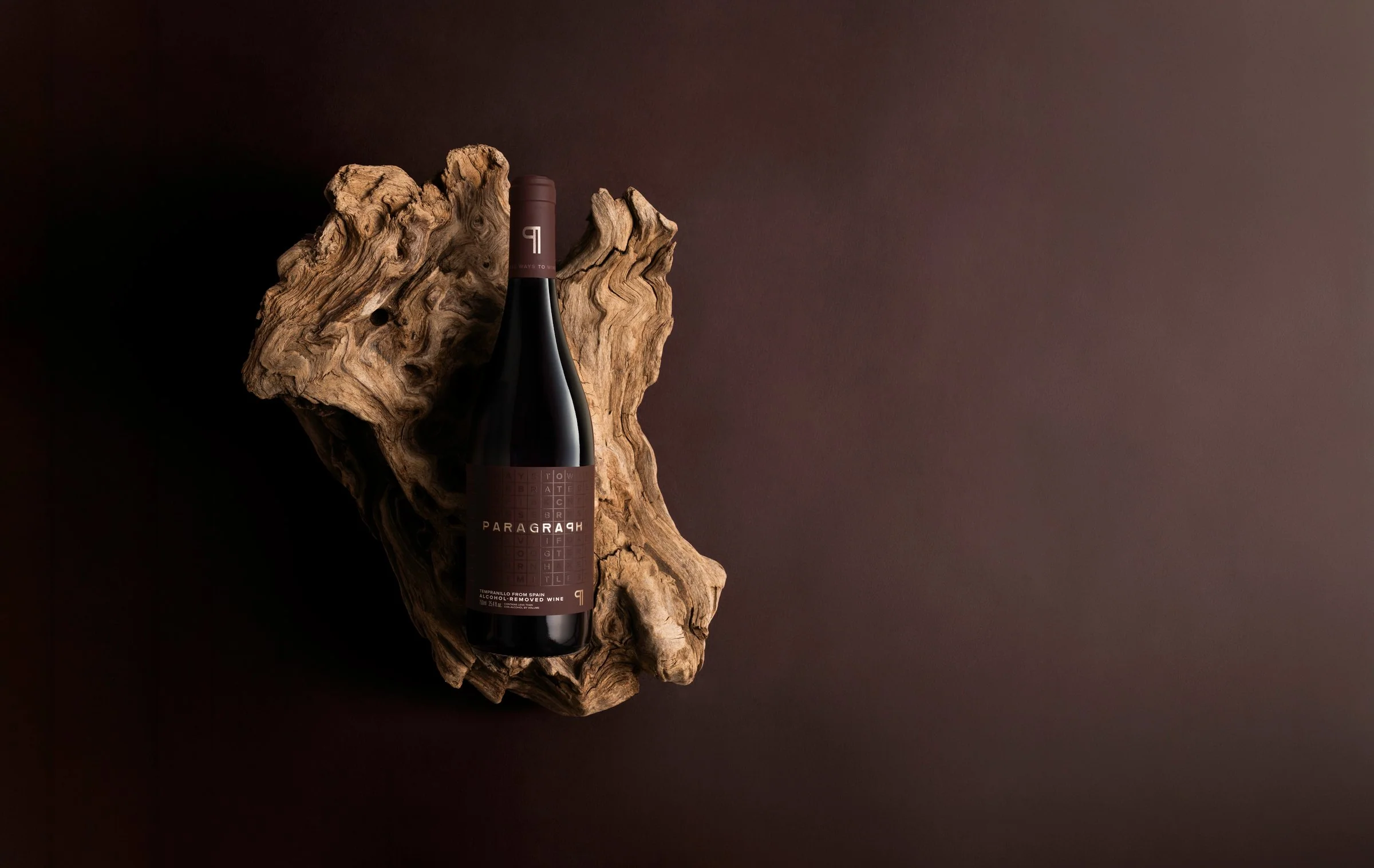
Crafted from Spanish wines selected for their character and structure, PARAGRAPH demonstrates the ambition behind a new generation of alcohol-removed reds. Its approach begins with the quality of the original wine, treating alcohol removal as part of the winemaking process rather than a shortcut to creating an alternative.
The common thread is not a particular grape variety, region or winemaking style. It's the decision to approach alcohol-free wine with the same ambition and attention to detail as traditional wine.
Quality starts with the original wine. Grape selection, vineyard conditions and winemaking decisions establish the foundation for the finished product. Once alcohol is removed, preserving the wine's natural aromatic character becomes especially important.
This is where technology can make a meaningful difference.
Solos Technology combines gentle dealcoholization with its patented aroma recovery technology, recovering and reintroducing natural aromas to help preserve the wine's original character.
But technology alone does not create an award-winning wine. These achievements reflect the expertise, vision and commitment of the producers behind each bottle, supported by processes designed to respect the wine they have created.
As the category matures, being alcohol-free is no longer enough to make a product distinctive. Consumers are increasingly looking for wines that deliver an enjoyable experience on their own merits.
The achievements of Zeronimo, PARAGRAPH and Bergdolt-Reif & Nett point toward a future where alcohol-free wine is not defined by what has been removed, but by the quality that remains.
Because great wine should be recognised for what it delivers in the glass, not simply for its alcohol content.
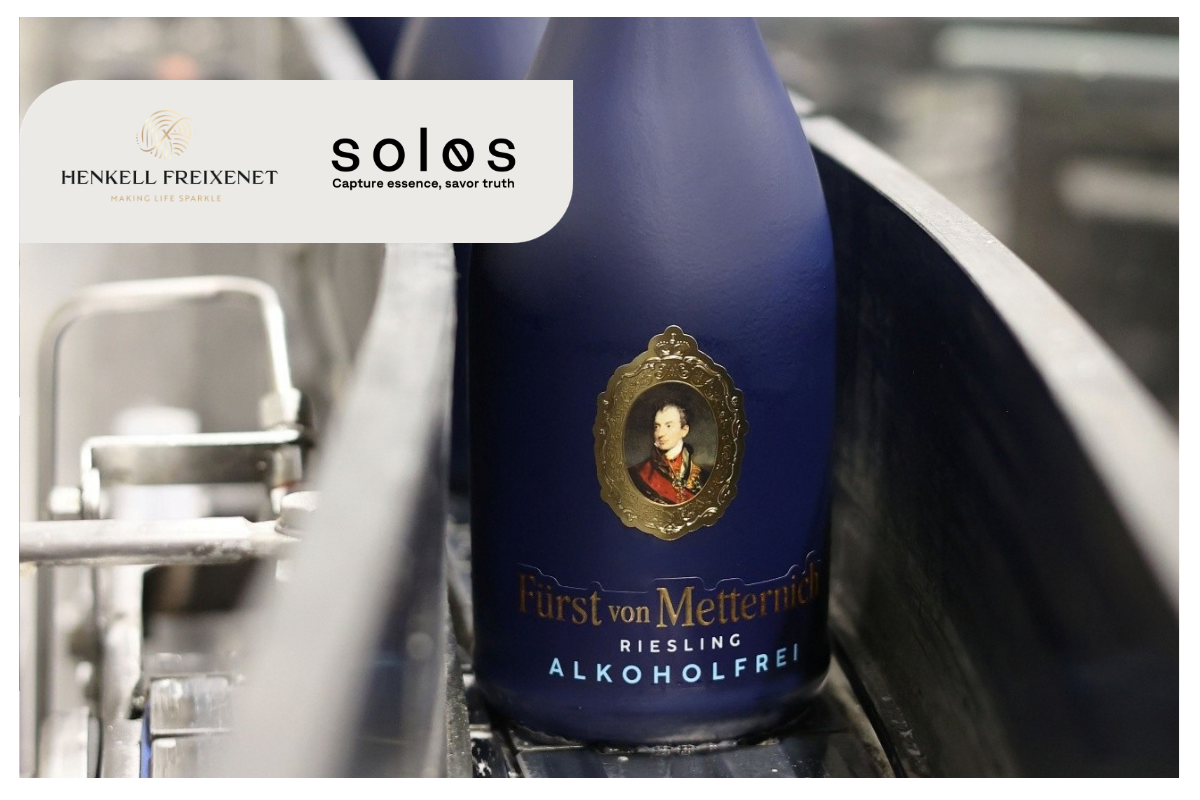
The installation marks a significant step in the evolution of premium No/Low wines, where preserving aroma and sensory quality has become a defining industry priority.
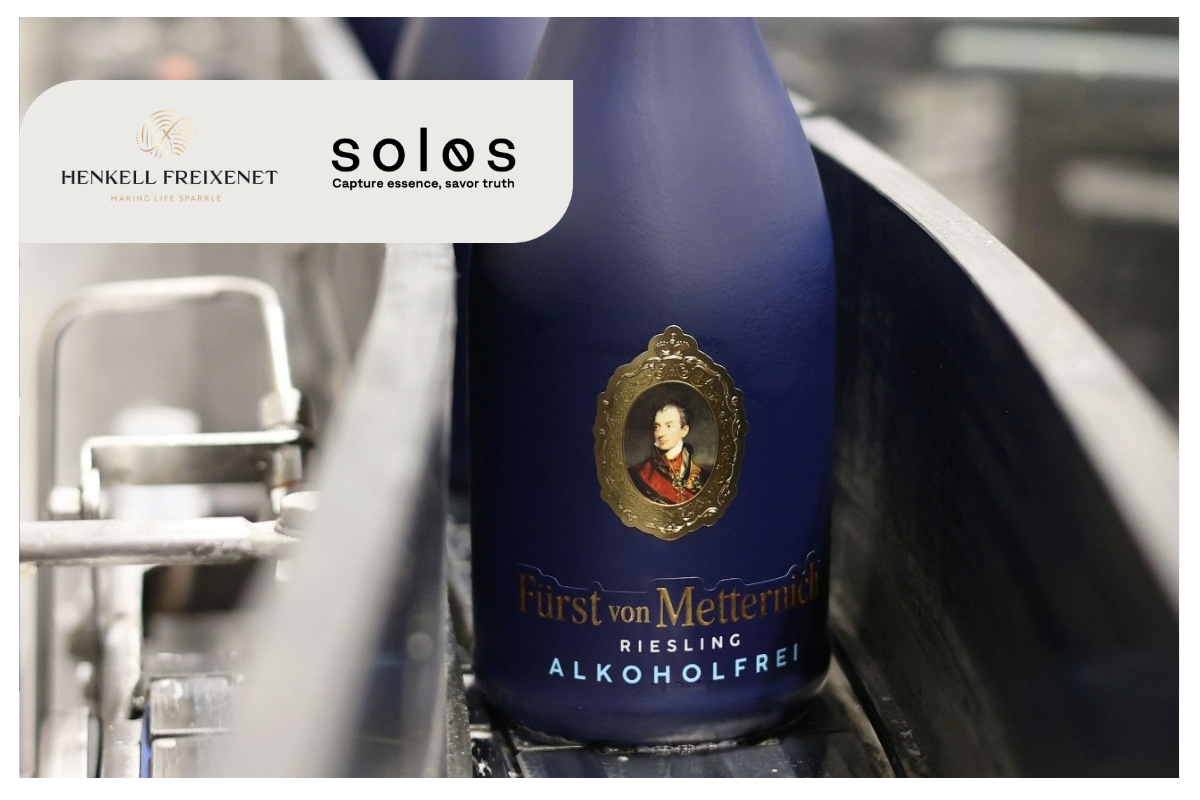
Fürst von Metternich Riesling Alcohol-free on the bottling line, one of the first products in Henkell Freixenet’s portfolio developed in collaboration with Solos Technology.
Henkell Freixenet is expanding its premium dealcoholized sparkling wine production capabilities through the deployment of Solos Technology's patented Aroma Recovery System (ARS) at its Wiesbaden production site, the Group’s expertise centre for alcohol-free production. The installation represents a significant investment in next-generation dealcoholized sparkling wine production, helping preserve the natural aroma and sensory identity of the original wines.
The project combines Henkell Freixenet's longstanding winemaking expertise with Solos' proprietary dealcoholization and patented aroma recovery technology. With 30 years of experience in producing alcohol-free sparkling wines, Henkell Freixenet has continuously advanced its expertise and pursued a consistent ambition to further improve product quality, taste and sensory character. This latest investment builds on that track record at a time when the No/Low wine category is entering a new phase of maturity. As consumer expectations continue to rise, producers are increasingly prioritising technologies that preserve varietal expression, complexity and sensory quality throughout the dealcoholization process.
Unlike conventional systems, Solos' patented Aroma Recovery System captures the wine's natural aroma compounds after alcohol removal and carefully reintegrates them into the final product, enabling producers to create premium dealcoholized wines that remain true to the character of the original wine.
"The future of the No/Low category is no longer defined by alcohol removal alone, but by the ability to preserve the identity of the original wine," said Claudia Geyer, CTO of Solos Technology. "We are honoured to collaborate with Henkell Freixenet, a company recognised worldwide for its commitment to winemaking excellence. Together, we are helping shape a new generation of premium dealcoholized wines where authenticity, craftsmanship and consumer experience remain at the heart of every bottle."
“For more than 30 years, Henkell Freixenet has played a leading role in the development of alcohol-free sparkling wines, driven by our ambition to continuously improve their quality, taste and sensory character. We look forward to building a strong partnership with Solos Technology and combining our longstanding winemaking expertise with their patented Aroma Recovery System. Together, we aim to recover and carefully reintegrate the wine’s natural aromas, helping us preserve its authenticity, complexity and distinctive character even more effectively,” said Eberhard Benz, CTO and Vice Chairman of the Executive Board of Henkell Freixenet.
The installation marks another milestone in the adoption of advanced aroma recovery technology, reinforcing Solos Technology's mission to help producers create premium dealcoholized wines while preserving the authenticity, complexity and sensory identity that define exceptional wine.
About Solos Technology
Solos is a global leader in aroma recovery for premium dealcoholized beverages. At the core of its offering is the Aroma Recovery System (ARS), a patented solid-phase extraction technology that captures and reintroduces original aroma signatures to create true-to-source no- and low-alcohol wines, beer and spirits. Through a growing international network, Solos provides advanced NoLo contract manufacturing for wine, beer, and spirits, enabling producers to deliver premium products that meet evolving consumer expectations. Solos operates today out of Spain, California, Germany and Switzerland. Solos is part of Prodalim Group, a global supplier of natural solutions with 16 sites around the world. Learn more at solos-technology.com and prodalim.com.
About Henkell Freixenet
As an international group of companies, Henkell Freixenet is the global market leader for sparkling wine. The unique brand portfolio of Sekt, Cava, Prosecco, Champagne and Crémant as well as still wines and spirits accompany the moments in consumers' lives and makes them meaningful. The Henkell Freixenet team is driven by the highest standards of quality and craftsmanship - always with the vision of setting new benchmarks in the industry and the respective product categories and inspiring consumers with innovations and high-quality crafted products. Making Life Sparkle!
For further information https://www.henkell-freixenet.com/.
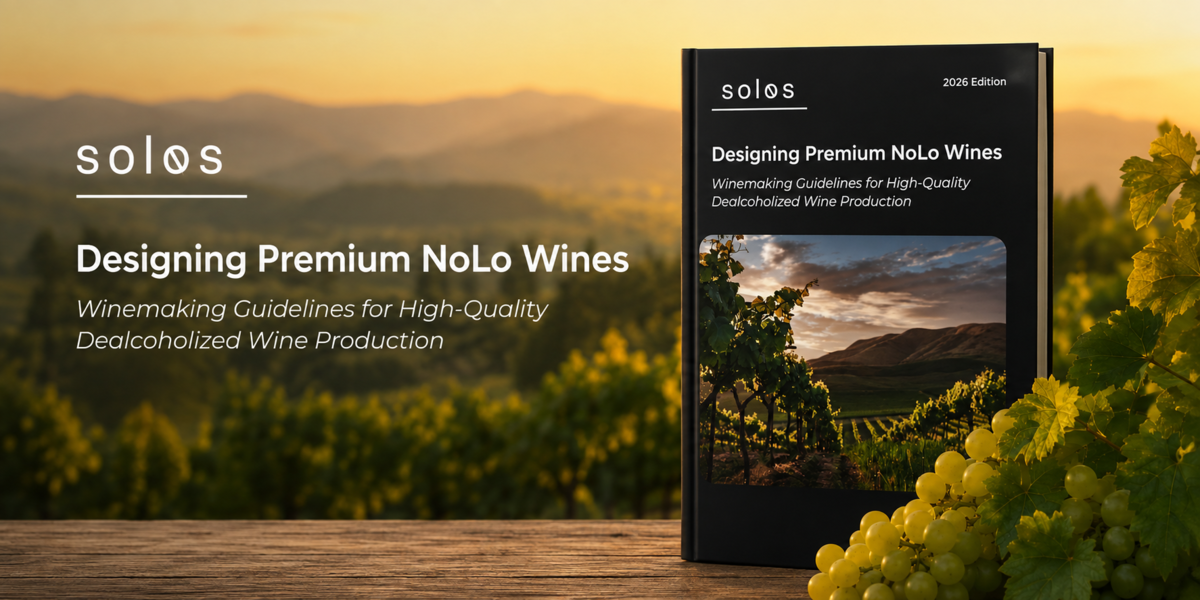
Discover why high-quality dealcoholized wine production starts before dealcoholization and how winemaking decisions can influence the final result.
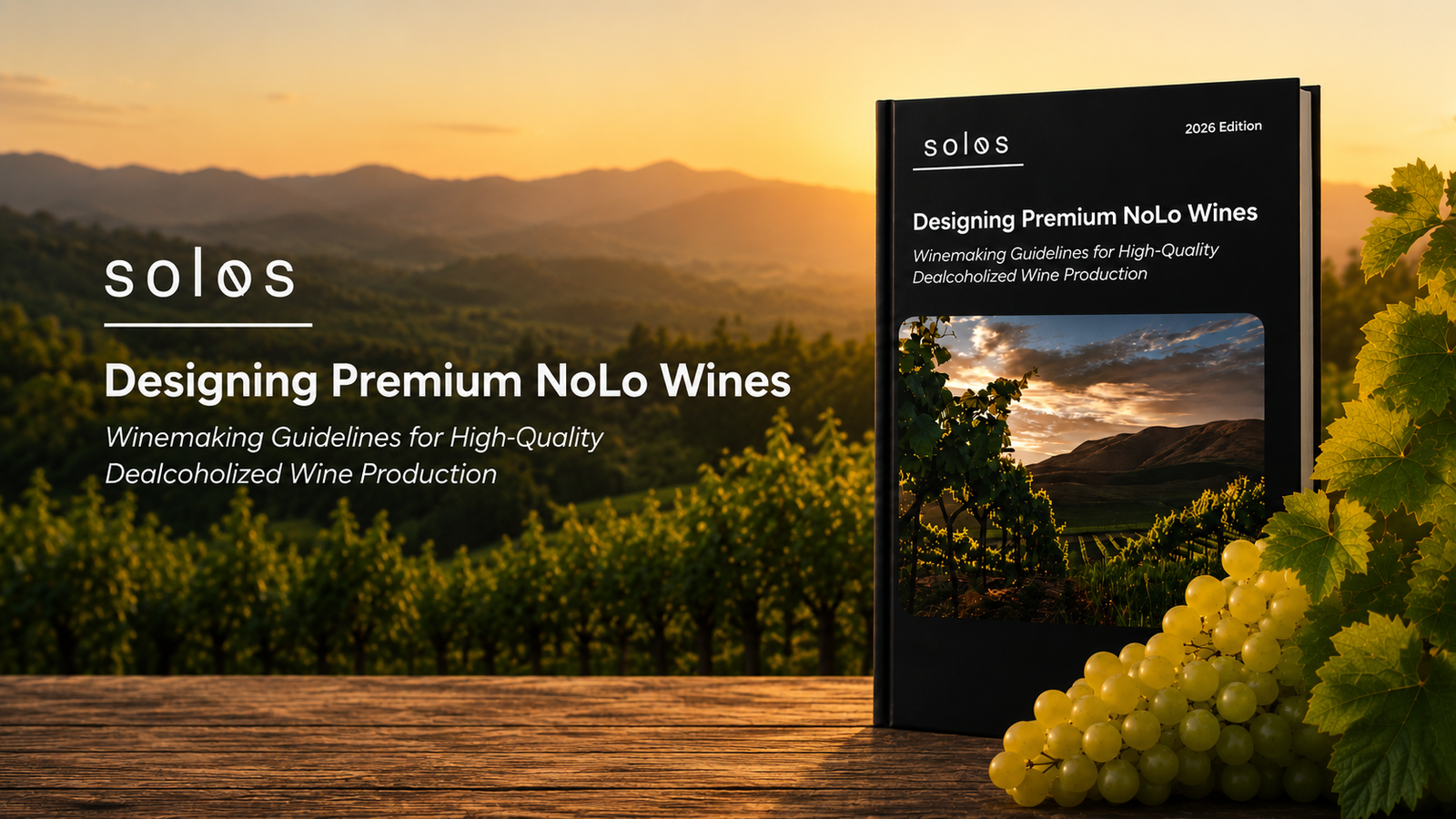
Download the Winemaking Guideline
The conversation around dealcoholized wine production often focuses on one central question: how can alcohol be removed while preserving the quality and identity of the wine? While dealcoholization technology plays an essential role, producing a high-quality final product requires wineries to look beyond the process itself and consider how the wine has been developed from the very beginning.
As expectations for No/Low wines continue to rise, the challenge is no longer simply to reduce alcohol content. Consumers increasingly expect wines that retain the aromatic expression, balance, structure and overall character associated with their conventional counterparts. Meeting those expectations requires a different approach to winemaking, one in which the final dealcoholized product is considered well before the alcohol is removed.
Alcohol contributes significantly to the sensory balance of wine, influencing aroma perception, acidity, sweetness, structure and mouthfeel. When alcohol is removed, the relationship between these elements changes, making the characteristics of the base wine particularly important.
For winemakers, this means considering from an early stage how decisions such as grape variety, harvest timing, fermentation strategy and base wine composition may influence the final result. Rather than selecting an existing wine and then deciding to dealcoholize it, wineries have an opportunity to develop wines specifically with dealcoholization in mind.
This change in perspective is fundamental to producing higher-quality wines. The question is no longer simply which wine should be dealcoholized, but what kind of wine should be created for dealcoholization?
Producing a premium dealcoholized wine requires the different stages of winemaking to be considered as part of one connected process. White and red wines present different challenges, aroma compounds respond differently during processing, and the desired final alcohol level can influence both production decisions and the sensory balance of the finished wine.
Technology is a critical part of this process, but its purpose should be to preserve the quality and character developed during winemaking. Combining the right wine design with the right dealcoholization and aroma recovery technology provides a stronger foundation for retaining varietal expression and producing a final wine that remains true to its original identity.
This integrated approach is the foundation of the new Solos Winemaking Guidelines for High-Quality Dealcoholized Wine Production, developed to support wineries and winemakers navigating the technical challenges of this growing category.
The guideline brings together practical recommendations covering the key stages of the process, including base wine development, fermentation, aroma preservation, dealcoholization, final sensory balance and regulatory considerations for both white and red wines.
For wineries looking to develop premium dealcoholized wines, the message is clear: quality is not something that can be added after dealcoholization. It needs to be considered throughout the entire winemaking process.
Discover the technical recommendations and practical guidance in the complete Solos Winemaking Guideline.


